overview
What is joining?
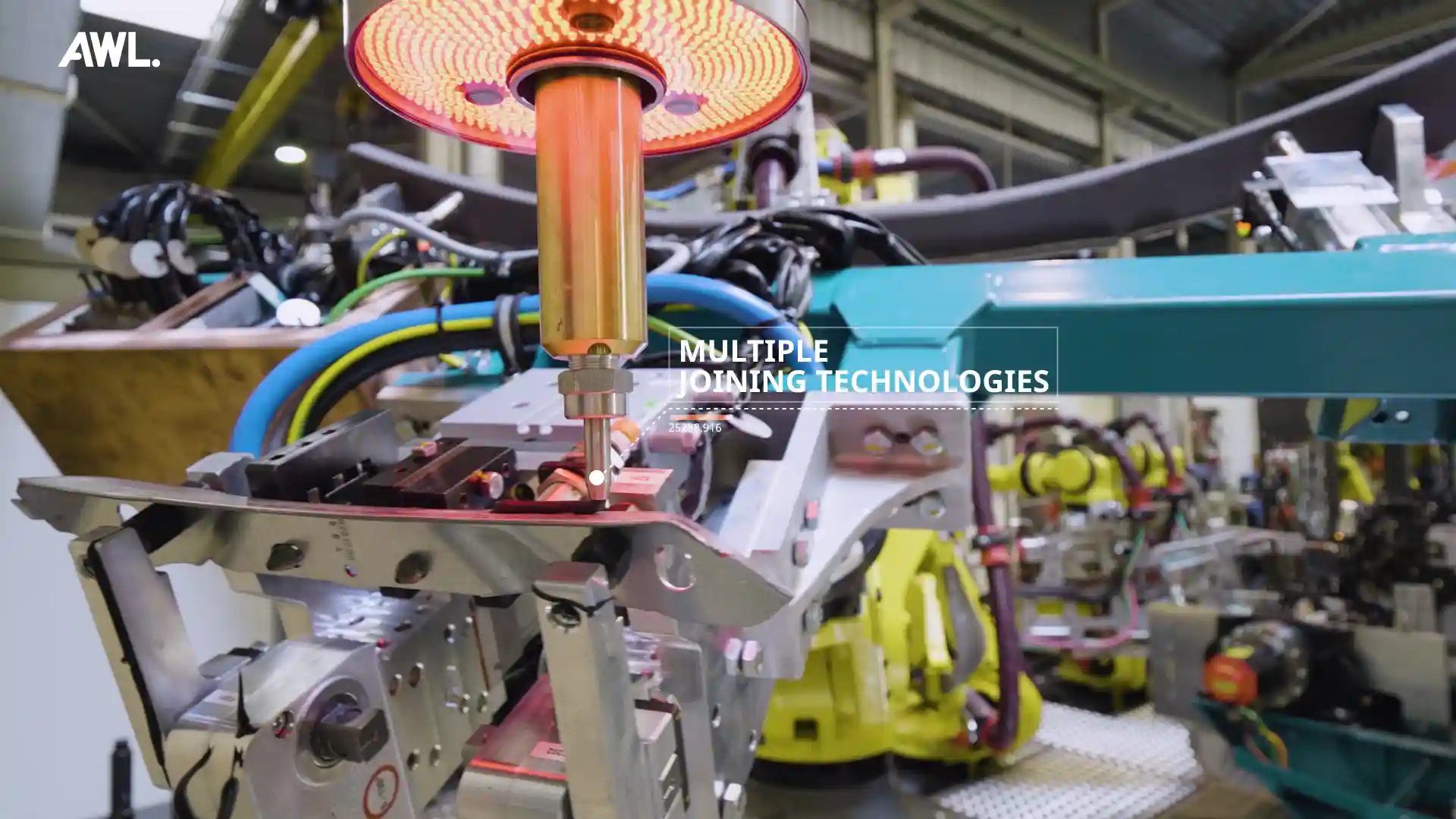
Joining connects separate parts into one product or assembly through welding, bonding, or mechanical fastening. It becomes relevant when quality, capacity, safety, or repeatability are difficult to maintain in manual production. Automated joining helps turn these processes into controlled production steps with more predictable quality and less dependence on manual execution.
Technology
How it works
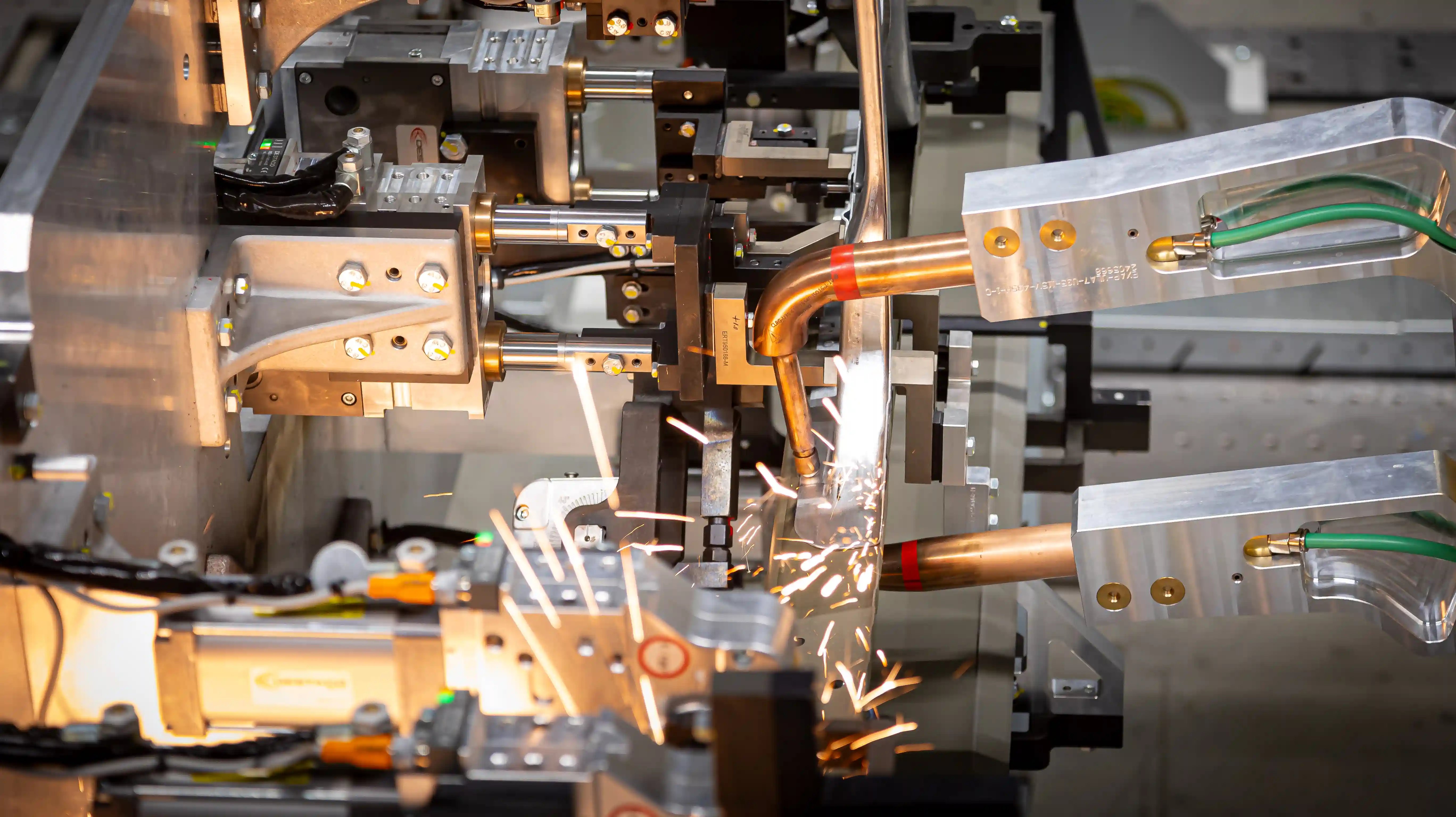
The selected joining method is combined with controlled part positioning, robot motion, stable fixtures, and process monitoring. This turns manual variation into a repeatable production step with consistent joint quality, defined checks, and traceable results.
-
Controlled robot motion.
-
Stable positioning and fixtures.
-
Quality monitoring and traceability.
_featured.webp?width=1668&height=1125&name=solution_welding%20thin%20sheet%20metal%20(1)_featured.webp)
Welding thin sheet metal
_featured.webp?width=2100&height=1179&name=solutions_welding%20of%20thick%20sheet%20metal%20(3)_featured.webp)
Welding thick sheet metal
_featured.webp?width=5472&height=3072&name=solutions_welding%20and%20handling%20of%20thin%20metal%20products%20(1)_featured.webp)
Welding and handling of thin metal products
_featured.webp?width=5568&height=3712&name=solutions_cutting%20welding%20and%20handling%20of%20thick%20metal%20products%20(11)_featured.webp)
Cutting, welding, and handling of thick metal products
_%20(5).webp?width=2100&height=1179&name=Preperation%2c%20cutting%20and%20welding%20of%20pipes%20(sprinkler)_%20(5).webp)
Preparation, cutting, and welding of pipes
/solutions_Automated%20manufactring%20lines_Flexible%20manufacturing%20of%20cabinets_%20(4)_FeaturedImage.webp?width=1920&height=1080&name=solutions_Automated%20manufactring%20lines_Flexible%20manufacturing%20of%20cabinets_%20(4)_FeaturedImage.webp)
Flexible manufacturing of cabinets
.webp?width=640&height=480&name=automated%20manufacturing%20linesFlexible%20manufacturing%20of%20Miscellaneous%20Steel_%20(4).webp)
Flexible manufacturing of miscellaneous steel
%20(IBC-fencing)/Tarter_USA_%20(13).webp?width=1920&height=1080&name=Tarter_USA_%20(13).webp)
Flexible manufacturing lines
.webp?width=5474&height=3651&name=CustomerExperience_Tarter_%20(3).webp)

.webp?width=3840&height=2160&name=CustomerExperience_Muhlhoff_%20(2).webp)

.webp?width=7008&height=4672&name=CustomerExperience_OPS_%20(6).webp)

.webp?width=4672&height=4000&name=contact_CTA_(5).webp)