CUSTOMER EXPERIENCE

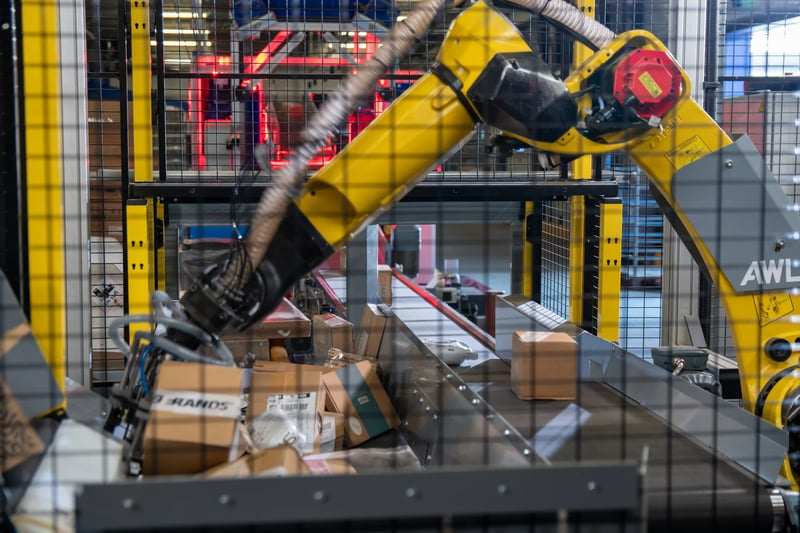
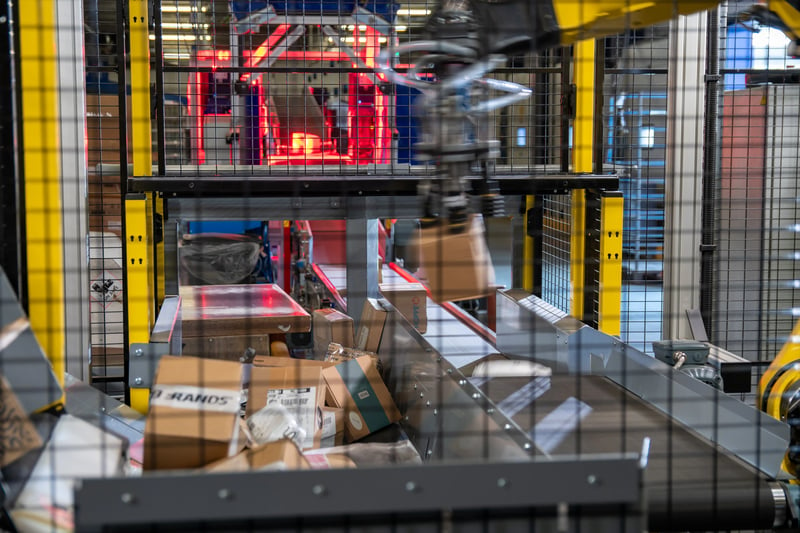
Parcel induction at GLS.

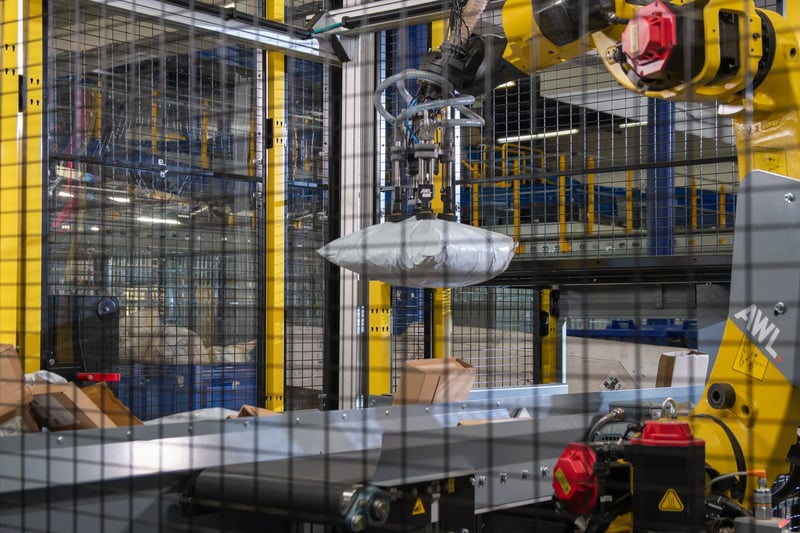
Parcel volumes keep rising, but people and space don’t. At GLS Netherlands, consistent sorting under pressure became difficult to sustain. A robotic parcel induction singulation now stabilizes the process while reducing repetitive manual work at the source.
Customer

customer experience_parcel induction at gls_image_09
Industry

Intralogistics

Application

Parcel induction

Product

Parcels

Location

Utrecht, The Netherlands
Highlights

Higher consistency

Stable flow from start of sorting

Improved job satisfaction

Less repetitive manual handling

Performance measurement

Clear comparison with human output

About GLS

GLS Netherlands operates parcel distribution services across domestic and international networks. Its sorting centers process large volumes daily, requiring reliable handling of mixed parcel streams. In intralogistics, consistency and throughput define operational success. With increasing parcel volumes, maintaining efficiency while supporting workforce satisfaction became an important focus for the Utrecht site.

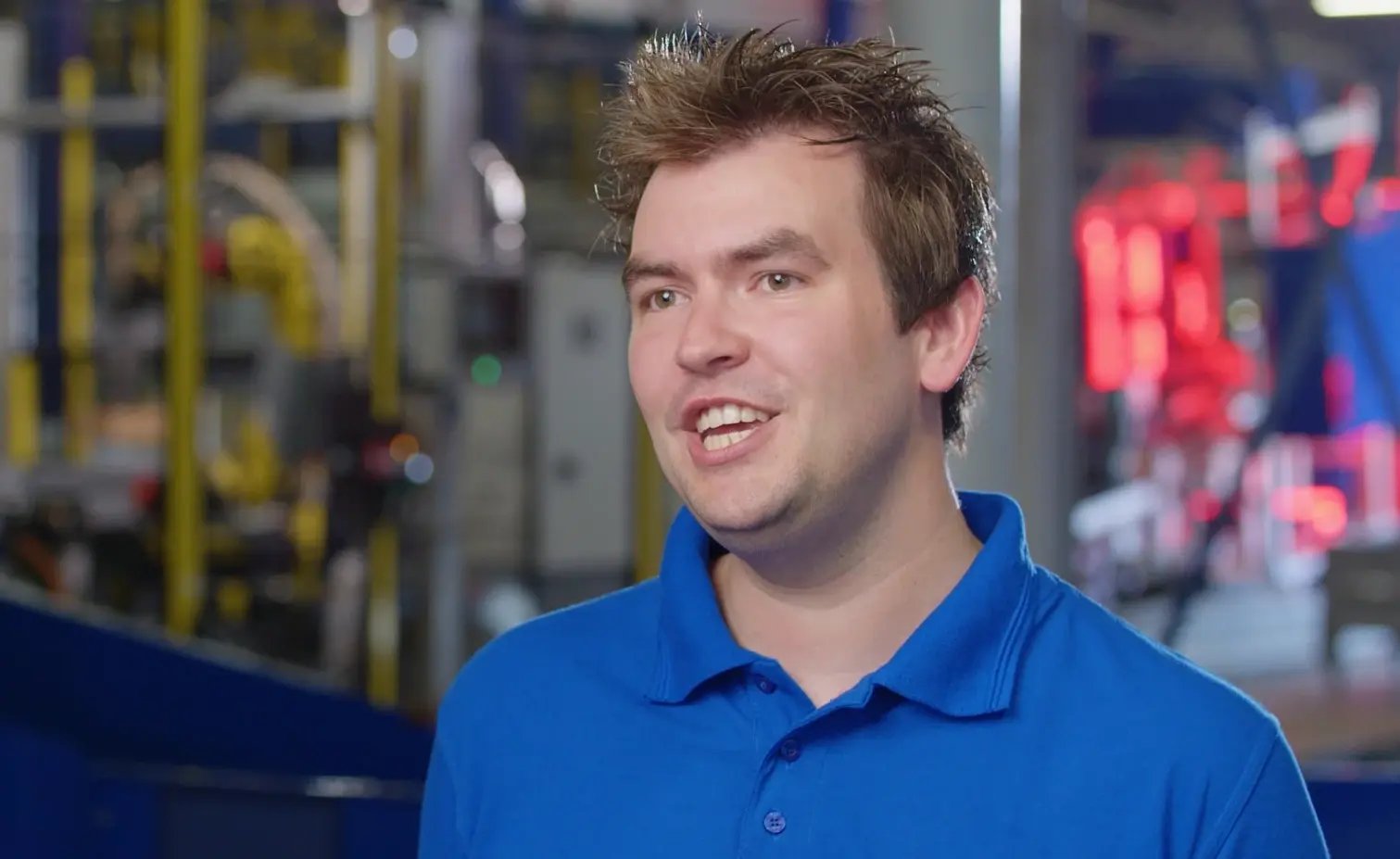
“The collaboration went really well. Everything was tailored to our requirements and wishes, making ROSI a perfect fit for our company.”

Tom Hartmans
Project Lead at GLS
customer experience_parcel induction at gls_image_08

The challenge

Parcel handling remained labor-intensive, with repetitive and heavier tasks affecting job satisfaction and retention. Introducing automation requires more than installing equipment. Integration with existing systems, training staff, and working within limited floor space created practical constraints. At the same time, performance needed to be transparent: the robotic system had to consistently meet a target of 1,600 parcels per hour while employees adapted to new roles and workflows.

The solution

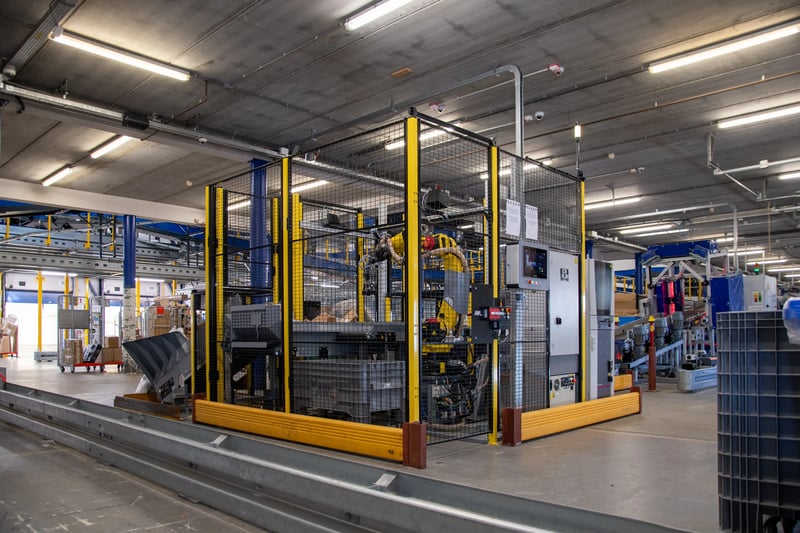
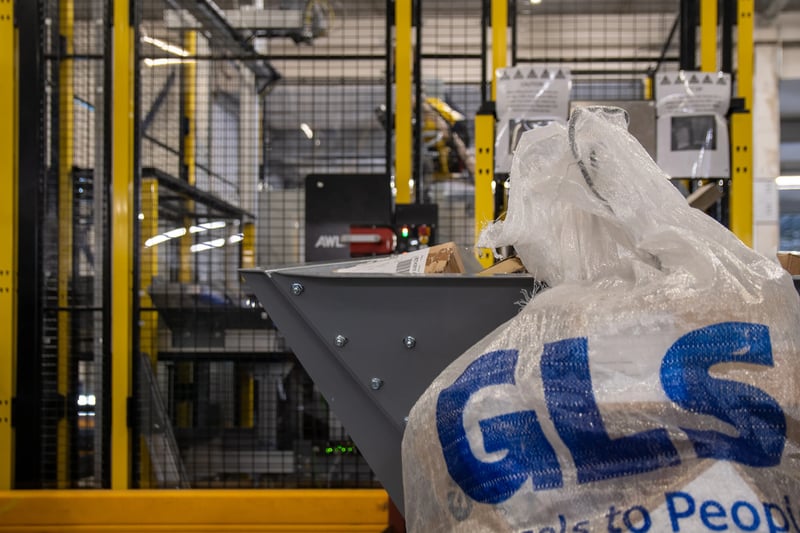
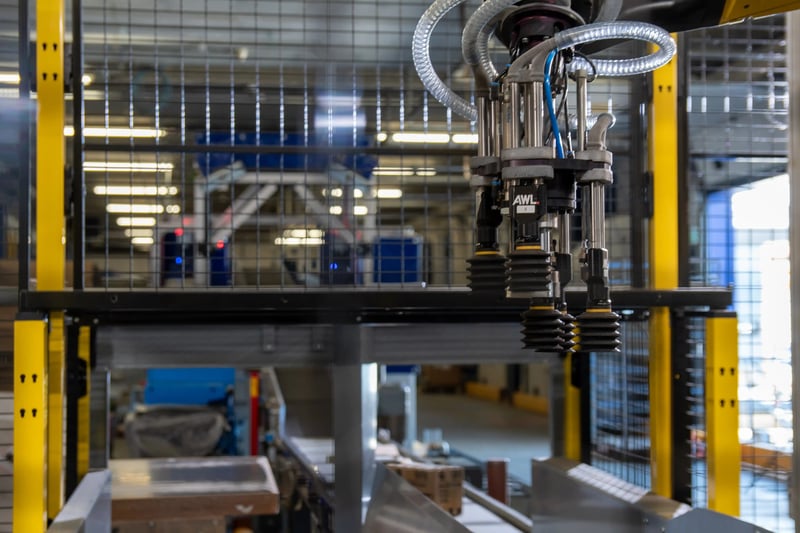
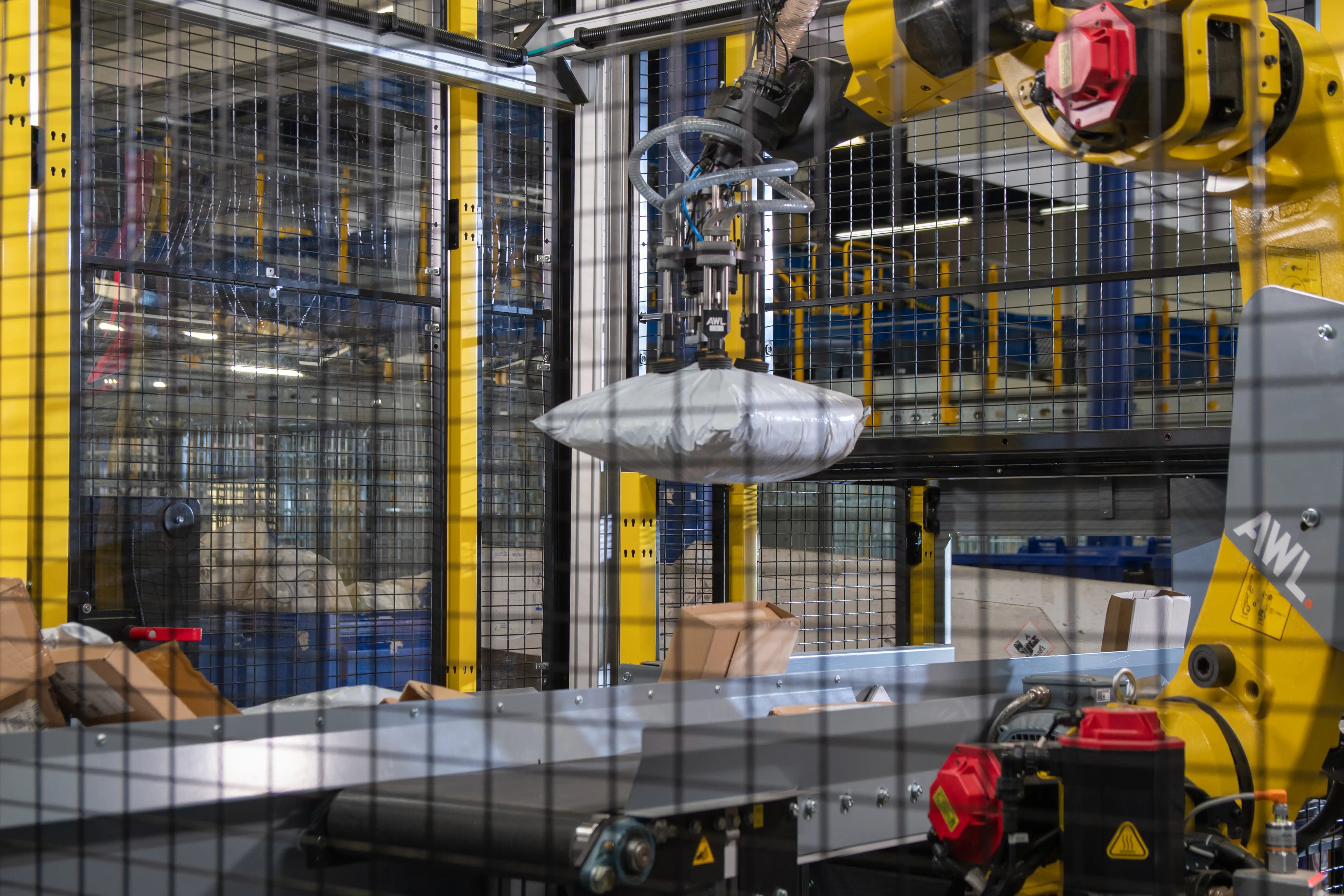
A robotic singulation system was implemented to handle bulk parcel input and create a controlled, steady flow into sorting. The setup combines vision technology, robotics, and a compact layout designed for constrained environments. It reduces manual lifting while keeping operators involved in overseeing and feeding the system.

  • Designed for 1,600 picks per hour, handling parcels up to 5 kg
  • AI-driven vision identifies and processes mixed parcel streams
  • Integrated verification detects double or oversized placements
1 / 6

Results

Parcel sorting starts more predictably, with fewer interruptions at the beginning of the process. Employees no longer need to manage heavy and repetitive sorting tasks and can focus on supervision and optimization. Early results show stable throughput aligned with expectations, while the system provides a clear basis for evaluating performance against manual handling and exploring scalability to other locations.

contact_CTA_(5)

Let’s talk about future-ready solutions for your business.

You may be also interested in.

solution_robotic pick & place_sorter induction_demo awl_image_01

Parcel induction

solution_robotic pick & place_item & piece picking_demo awl_image_03

Item picking

solution_robotic pick & place_random mixed depalletizing_arvato venlo_image_01

Random mixed depalletizing

solution_robotic pick & place_random mixed palletizing_demo awl_01

Random mixed palletizing