What is robotic thin sheet metal welding?
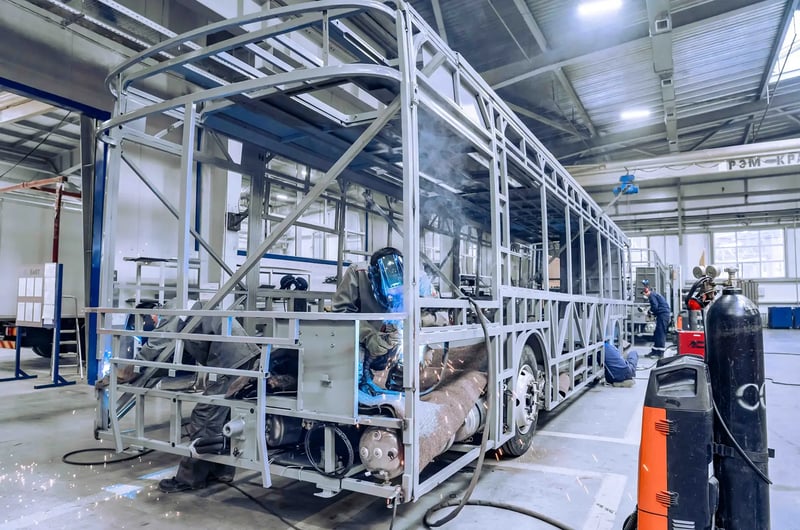
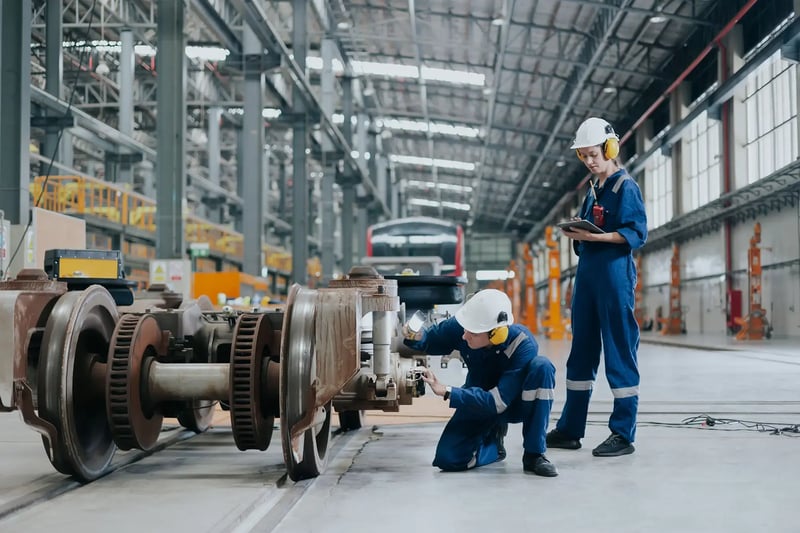
Robotic thin sheet metal welding combines automated welding processes within modular production cells for both high-volume and flexible manufacturing. It is commonly used for body structures, seating components, rolling stock assemblies, cabinets, and other thin sheet metal assemblies where precision is key.
The main challenge is controlling heat to prevent distortion, burn-through, and visible imperfections while maintaining consistent weld quality. Robotic automation delivers the accuracy, repeatability, and flexibility needed to produce high-quality results across varying materials and product volumes.
.webp?width=6657&height=4438&name=solutions_automated%20joining%20and%20assembly%20cells_welding%20thin%20sheet%20metal%20(3).webp)
System approach to these challenges
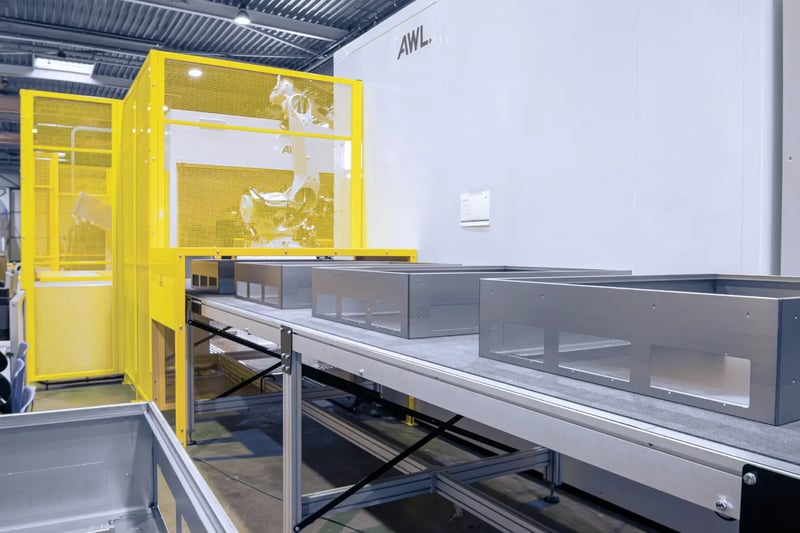
Robotic welding within modular standard cells ensures controlled, repeatable production. Depending on the application, different welding processes such as laser welding, laser hybrid, precision MIG/MAG, or resistance welding can be integrated to achieve the right balance of speed, precision, low heat input, and weld quality. Careful attention to joint fit-up, gap control, and clamping ensures consistent results without compromising flexibility.
Production setups support a wide range of applications, including body-in-white subassemblies, seating structures, and thin sheet components up to approximately 2–2.5 meters. Capacity can be expanded by adding standard cells, enabling manufacturers to respond to changing demand while maintaining high uptime and a compact production footprint.
- Robotic multi-process welding cells
- Standard cells with quick-exchange jigs
- Scalable and relocatable production capacity
_featured.webp?width=1668&height=1125&name=solution_automated%20joining%20and%20assembly%20cells_welding%20thin%20sheet%20metal%20(1)_featured.webp)
.webp?width=3840&height=2160&name=CustomerExperience_Muhlhoff_%20(2).webp)

.webp?width=5474&height=3651&name=CustomerExperience_Tarter_%20(3).webp)

.webp?width=7008&height=4672&name=CustomerExperience_OPS_%20(6).webp)

_FeaturedImage.webp?%20Assembly%20cells_ClipnutAssembly_%20(2)_FeaturedImage.webp&width=2497&height=1978&name=Automated%20Joining%20%26%20Assembly%20cells_ClipnutAssembly_%20(2)_FeaturedImage.webp?%20Assembly%20cells_ClipnutAssembly_%20(2)_FeaturedImage.webp)
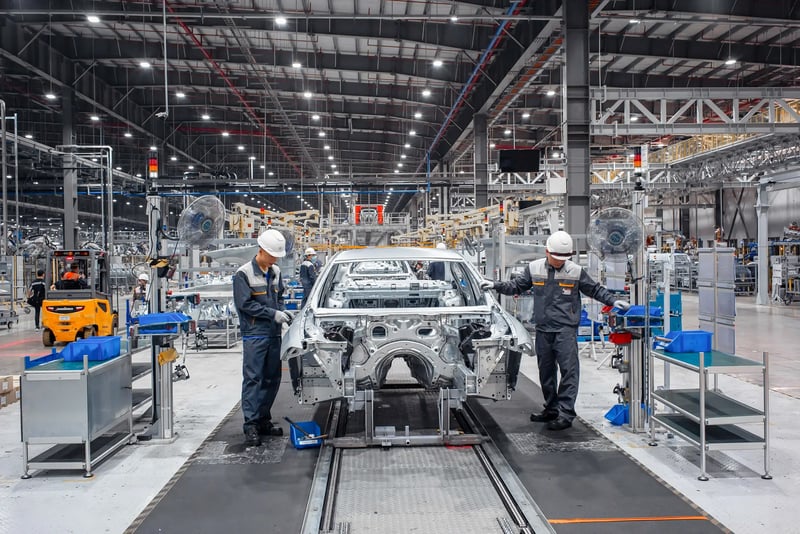
Clipnut assembly
_featured.webp?width=5472&height=3072&name=solutions_welding%20and%20handling%20of%20thin%20metal%20products%20(1)_featured.webp)
Welding and handling of thin metal products
_featured.webp?width=5568&height=3712&name=solutions_cutting%20welding%20and%20handling%20of%20thick%20metal%20products%20(11)_featured.webp)
Cutting, welding, and handling of thick metal products
_%20(5).webp?width=2100&height=1179&name=Preperation%2c%20cutting%20and%20welding%20of%20pipes%20(sprinkler)_%20(5).webp)
Preparation, cutting, and welding of pipes
/solutions_Automated%20manufactring%20lines_Flexible%20manufacturing%20of%20cabinets_%20(4)_FeaturedImage.webp?width=1920&height=1080&name=solutions_Automated%20manufactring%20lines_Flexible%20manufacturing%20of%20cabinets_%20(4)_FeaturedImage.webp)
Flexible manufacturing of cabinets
.webp?width=640&height=480&name=automated%20manufacturing%20linesFlexible%20manufacturing%20of%20Miscellaneous%20Steel_%20(4).webp)
Flexible manufacturing of miscellaneous steel
%20(IBC-fencing)/Tarter_USA_%20(13).webp?width=1920&height=1080&name=Tarter_USA_%20(13).webp)
Flexible manufacturing lines
.webp?width=1920&height=1080&name=Intelligent%20manufacturing%20solutions_AI%20Weld%20Inspection_%20(5).webp)
AI weld inspection

Item picking
.webp?width=4672&height=4000&name=contact_CTA_(5).webp)